Aluminium hull RIBs: why they dominate serious European tenders
Weight, impact resistance, tube materials and resale value — how to choose between an aluminium and a fibreglass RIB hull.
2 July 20267 min readBy Burin Boats sales desk
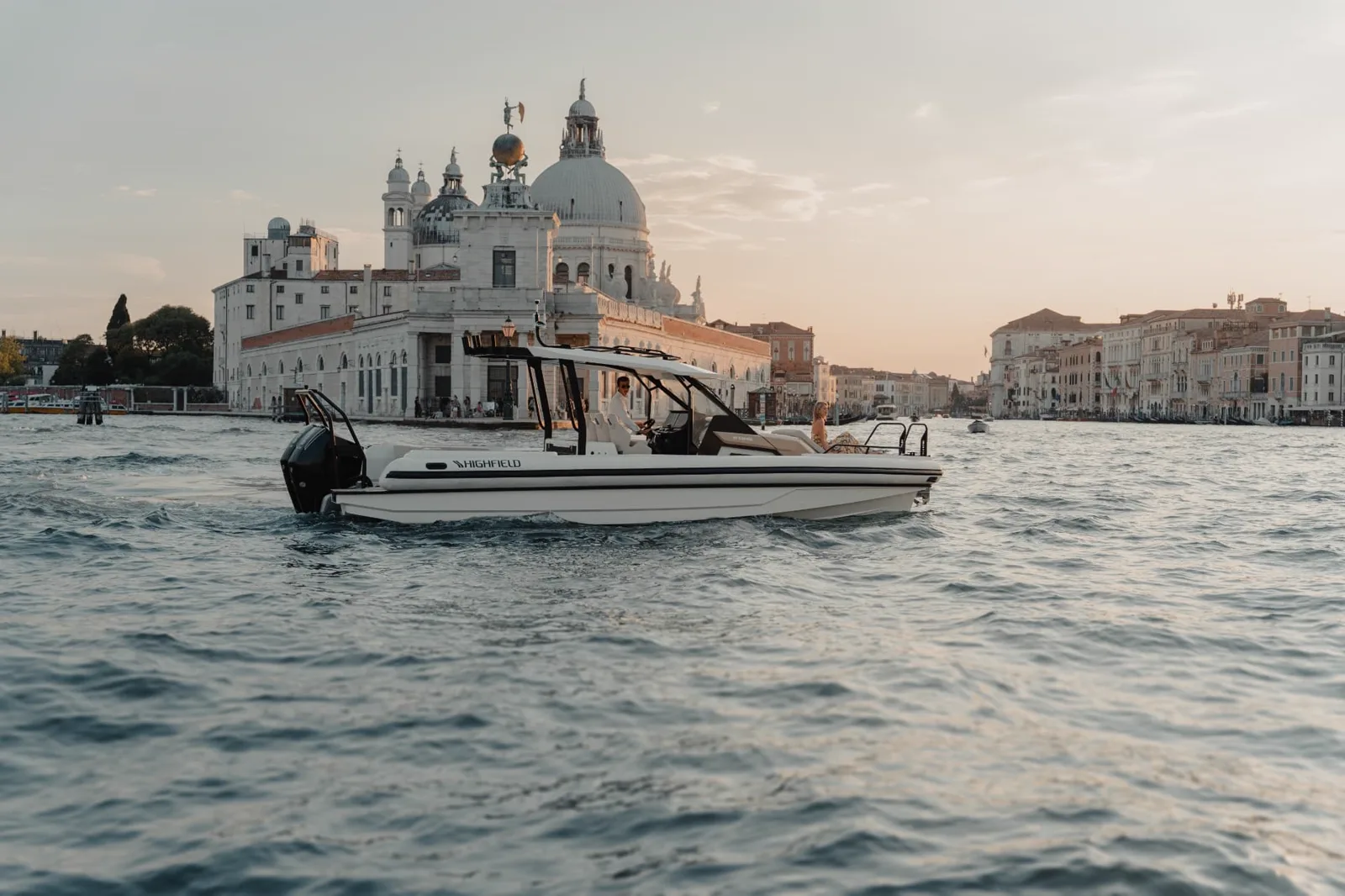
The rigid inflatable boat market split years ago into fibreglass and aluminium camps. For yacht tenders, rescue work and hard-used day boats, aluminium has won the argument. Here is why, and how to pick the right size and layout.
Weight changes everything on a tender
An aluminium hull is typically 20–30% lighter than the equivalent fibreglass hull. Lighter means a smaller engine for the same performance, less strain on davits and passerelles, and a boat two people can still recover from a beach.
On a yacht with limited davit capacity, that weight difference often decides whether you can carry a 3.4 m or a 4.2 m tender.
Impact resistance and repairability
Marine-grade aluminium deforms rather than shatters. A grounding on a rocky Adriatic shoreline that would crack and delaminate a fibreglass hull usually leaves a dent that can be repaired by any competent welder.
That difference is why commercial, rescue and military operators standardised on aluminium hulls decades before the leisure market followed.
Hypalon or PVC tubes?
PVC is lighter and cheaper and works well in temperate climates and covered storage. Hypalon (CSM) resists UV, ozone and fuel far better and is the right choice for boats left uncovered in Mediterranean and Adriatic sun.
In practice: covered northern European use suits PVC; permanent southern mooring suits Hypalon.
- PVC — lighter, lower cost, 5–10 year practical tube life
- Hypalon — superior UV and heat resistance, 15+ year tube life
Choosing a size
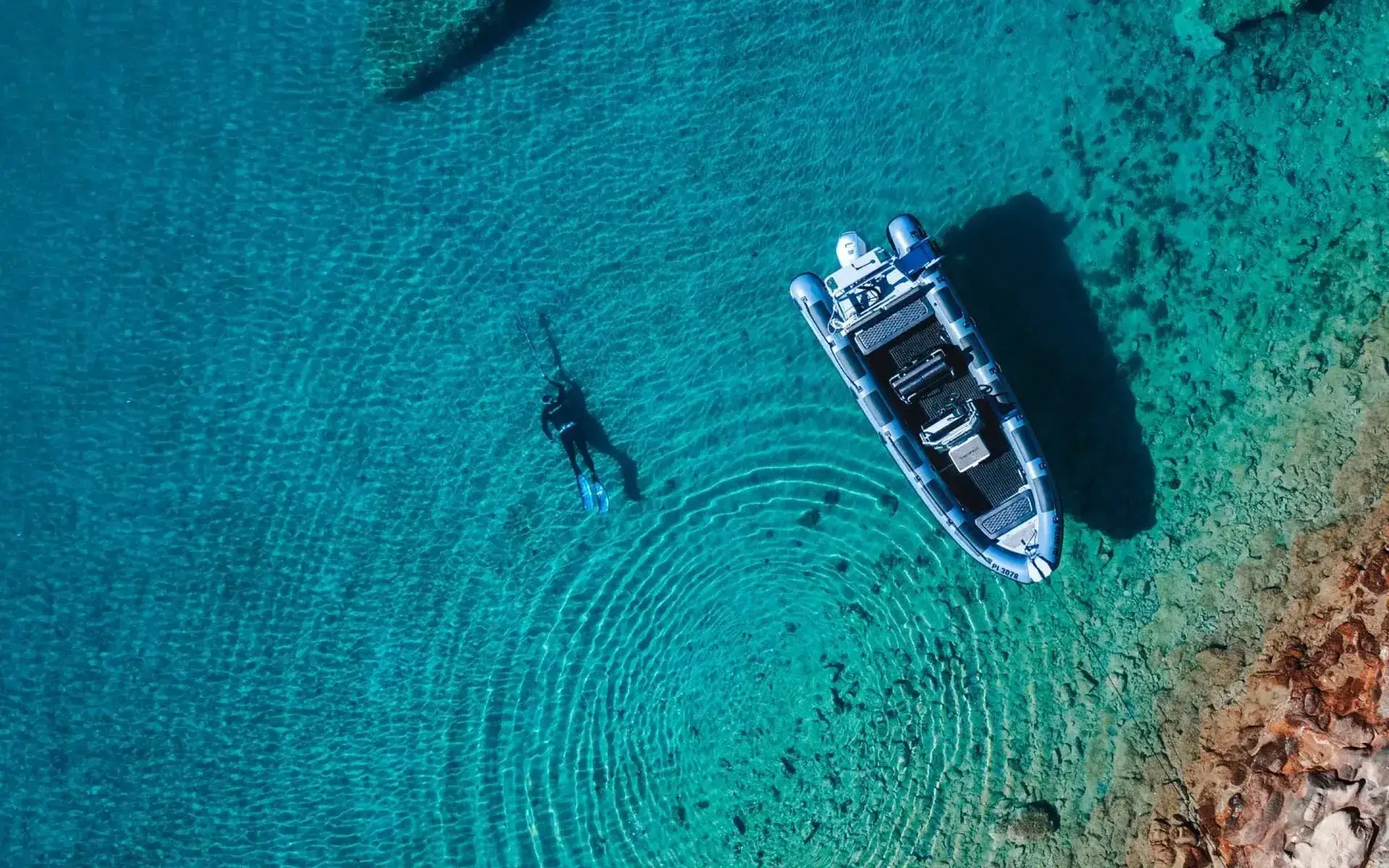
Tender use is about the largest boat your davits and garage will accept. Day-boat use is about seating, sunbathing area and a console layout that keeps the helm dry.
- 2.6–3.2 m: two-person yacht tender, easy to lift and stow
- 3.4–4.2 m: family tender, comfortable for four adults with luggage
- 4.5–5.5 m: console day boat with real seating and weather protection
- 6 m and above: offshore capable, twin-console layouts, serious range
Resale value
Aluminium RIBs from established manufacturers hold value strongly on the European used market, because buyers know the hull survives hard use. A well-maintained aluminium tender commonly resells for a substantially higher share of its purchase price than the fibreglass equivalent of the same age.
Frequently asked questions
- Do aluminium RIBs corrode in salt water?
- Marine-grade aluminium alloys form a protective oxide layer and are coated and fitted with sacrificial anodes. With anodes replaced on schedule and fresh-water rinsing, corrosion is not a practical problem.
- Is an aluminium RIB noisier than fibreglass?
- Slightly, in short chop, though modern deep-V aluminium hulls with foam-filled decks and proper insulation are close to fibreglass in comfort.
About the author
Burin Boats sales deskModel selection, configuration and EU delivery
The sales desk configures Highfield, Beneteau and ePropulsion packages for buyers across Europe and handles the VAT, registration and delivery paperwork that comes with them. Their guides cover model choice and everything that happens between a deposit and a handover.
Need advice for your own boat?
Our team configures Highfield, Beneteau and ePropulsion packages every week — tell us how you use the boat and we will size it properly.