Cruising the Adriatic: a practical guide for Croatia and Slovenia
Seasons, winds, marina costs and the boat types that make the most sense along the Croatian and Slovenian coast.
5 June 20268 min readBy Burin Boats sales desk
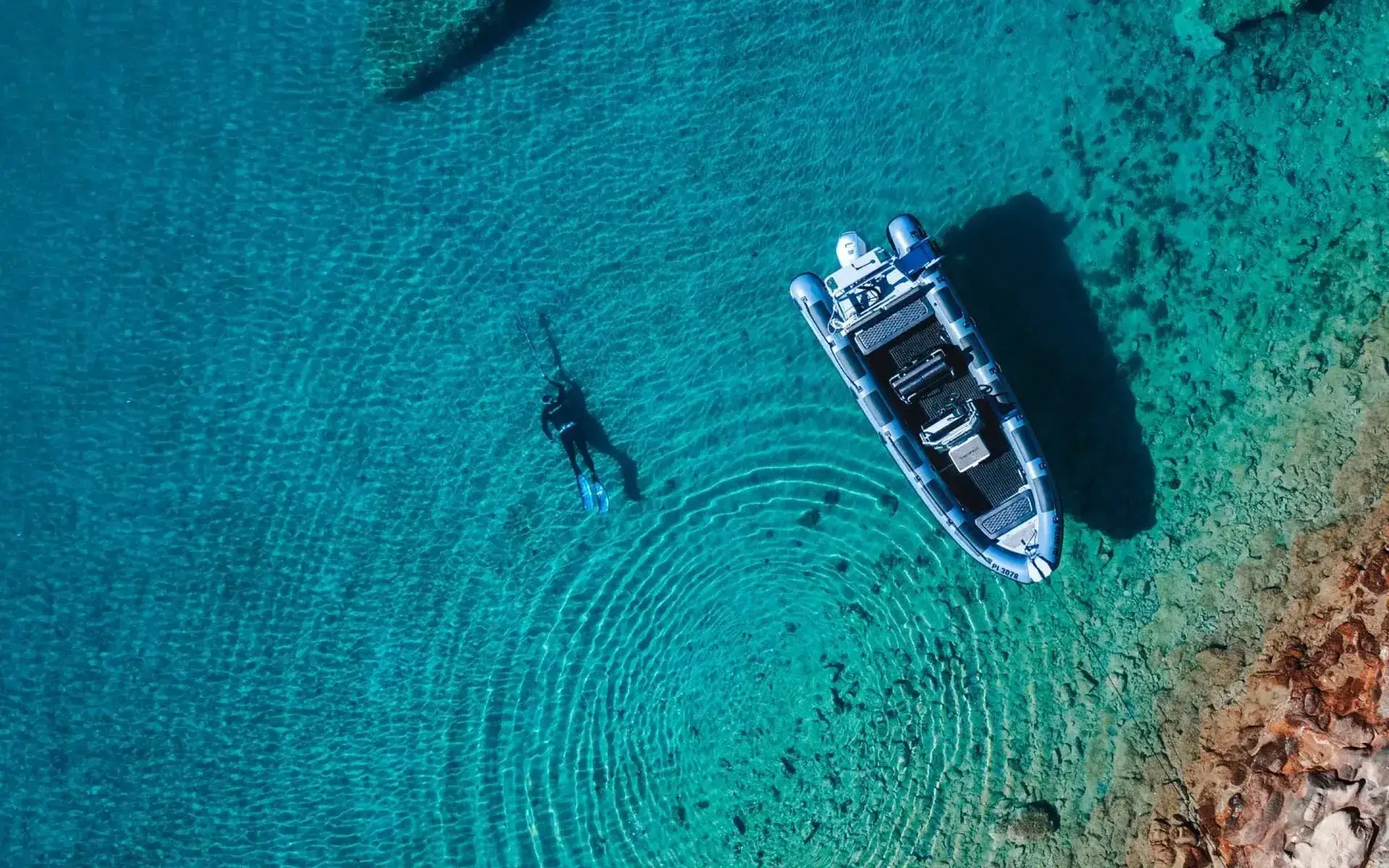
The eastern Adriatic packs more than a thousand islands, deep clear water and short hops between anchorages into a coastline you can cruise comfortably in a season. It also has two winds that shape every plan you make.
When to go
June and September are the sweet spot: warm water, reliable thermals, and marinas that are neither full nor closed. July and August bring the strongest crowds and the highest berth prices. May and October are excellent for experienced crews who watch the forecast closely.
Bora and jugo
The bora is a cold, dry, gusty north-easterly that falls off the Velebit mountains, builds within hours and can exceed 50 knots in the channels near Senj and Vinjerac. It usually brings clear skies, which fools newcomers into underestimating it.
The jugo is a warm south-easterly that builds slowly over a day or two, bringing rain and a substantial swell. It is more predictable but harder to escape once running.
Plan every passage with an escape harbour to leeward, and treat any bora forecast above 25 knots as a day in port.
Mooring and costs
Croatia has a dense network of ACI and private marinas plus a huge number of laid moorings in bays, many operated by konoba restaurants. Slovenia's short coastline concentrates on Izola, Koper and Portorož, which are well equipped and popular as winter bases.
Budget realistically for a 10 m boat in peak season: town quay and bay moorings at the low end, full-service marinas at the high end, with July and August roughly a third more expensive than the shoulder months.
Which boat suits the coast
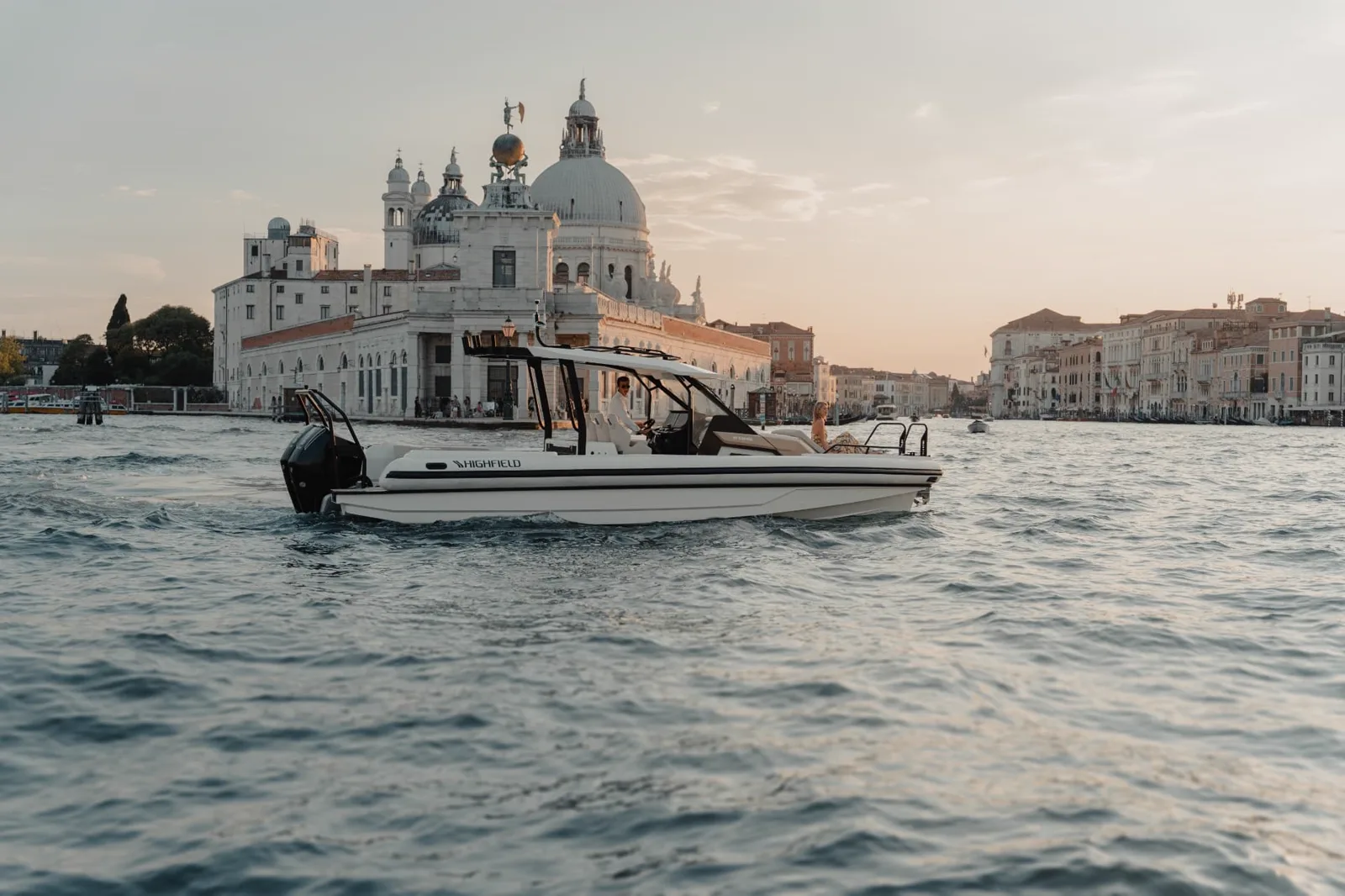
Distances between anchorages are short, so a fast day boat or a well-equipped RIB opens up more of the coast than people expect. For families staying aboard, a 10–14 m cruiser gives the shade, tankage and comfort the Adriatic summer demands.
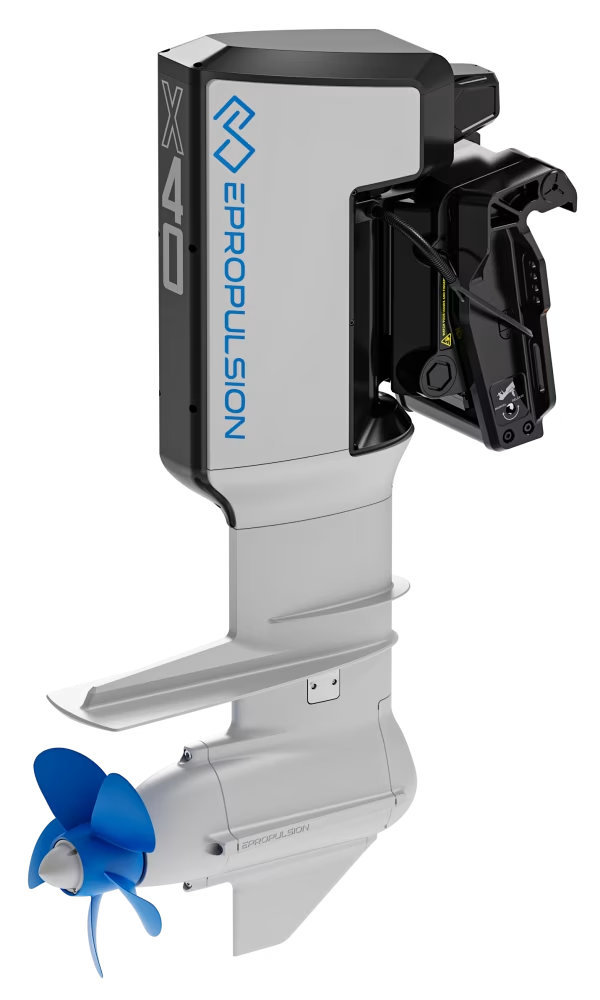
Whatever the mothership, a capable aluminium tender with a quiet electric outboard is what actually gets you ashore in bays where combustion engines are unwelcome or banned.
Paperwork to carry
Carry the vessel registration, insurance certificate, VAT evidence, skipper licence and VHF certificate, plus the crew list. Croatian authorities check these routinely, and having them together in one folder turns an inspection into a two-minute formality.
Frequently asked questions
- Do I need a licence to drive a boat in Croatia?
- Yes for most powered craft. Croatia recognises the ICC and equivalent national licences, and a VHF operator certificate is required for boats with a radio.
- When is the bora most likely?
- Bora events are strongest from late autumn to early spring, but summer bora is common in the northern Adriatic and can arrive with only a few hours of warning.
About the author
Burin Boats sales deskModel selection, configuration and EU delivery
The sales desk configures Highfield, Beneteau and ePropulsion packages for buyers across Europe and handles the VAT, registration and delivery paperwork that comes with them. Their guides cover model choice and everything that happens between a deposit and a handover.
Need advice for your own boat?
Our team configures Highfield, Beneteau and ePropulsion packages every week — tell us how you use the boat and we will size it properly.